

Neck and shoulder pain are extremely common, especially for people who spend long hours sitting, working at a desk, or looking down at screens. Tension often builds gradually and can lead to stiffness, headaches, and reduced movement.
This hub brings together clear, practical guidance to help you understand neck and shoulder pain, reduce tension, and support long-term comfort in a safe and realistic way.
Start Here: Neck & Shoulder Pain Basics
If you’re new to managing neck and shoulder discomfort, begin with these foundational guides.
- Neck & Shoulder Pain: Simple Daily Habits That Help
Learn everyday changes that reduce tension and prevent pain from building up. - Best Daily Stretches for Neck & Shoulder Pain (Safe & Simple)
Gentle stretches designed for desk-related stiffness and tension.
Focus on regular, gentle care, not aggressive treatment.
What Causes Neck & Shoulder Pain?
Most everyday neck and shoulder pain isn’t caused by a single injury. Common contributing factors include:
- Prolonged screen use
- Forward head posture
- Tight chest muscles
- Reduced upper-back movement
- Stress and tension
Understanding these causes helps you choose strategies that support recovery rather than increase strain.
Movement & Stretching for Neck and Shoulders
Gentle movement is essential for keeping the neck and shoulders comfortable.
Explore
- Simple daily mobility routines
- Stretches for the neck, shoulders, and upper back
- How often to stretch
- Common stretching mistakes to avoid

Desk Setup & Posture Support
Neck and shoulder pain are often linked to how we sit, work, and hold our head throughout the day.
Learn about:
- Comfortable desk and screen positioning
- Reducing forward head posture
- Supporting the upper back
- Why forcing posture often increases tension
👉 See: Posture & Desk Health
Massage, Heat & Recovery Methods
Recovery methods can help reduce muscle tension when used correctly.
We cover:
- Heat therapy for neck and shoulder stiffness
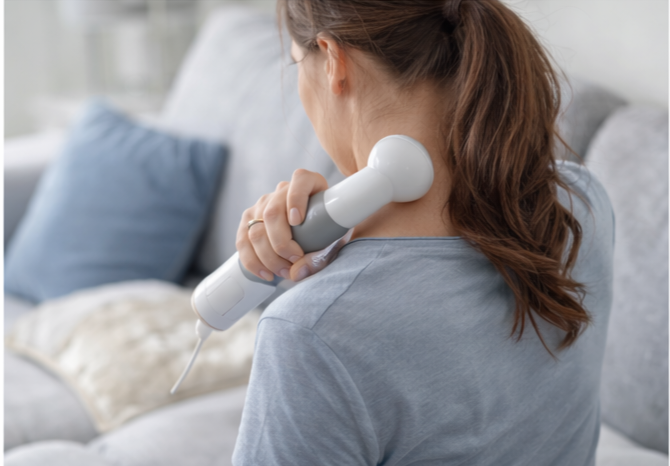
- Gentle self-massage techniques
- Massage tools and safety considerations
👉 Massage & recovery guides coming soon
Neck & Shoulder Pain and Headaches
Tension in the neck and shoulders can contribute to headaches and discomfort around the head and jaw.
Helpful topics include:
- Tension-related headaches
- Reducing upper-neck stiffness
- Relaxation and breathing techniques
👉 Headache-related guides coming soon

Common Mistakes to Avoid
When dealing with neck and shoulder pain, avoid:
- Stretching aggressively
- Holding tension while sitting
- Forcing posture into uncomfortable positions
- Ignoring stress and fatigue
- Using tools without understanding proper technique
Gentle, consistent care is usually more effective than intensity.
When to Seek Medical Advice
The information in this hub is intended for everyday, non-specific neck and shoulder discomfort.
Seek medical advice if you experience:
- Severe or worsening pain
- Pain following injury or accident
- Numbness, tingling, or weakness in arms or hands
- Persistent headaches with neurological symptoms
Always prioritise your safety.
Recommended Next Steps
If you’re just getting started:
- Improve desk setup and screen height
- Add gentle neck and shoulder stretches
- Take regular movement breaks
- Use heat or gentle massage if needed
Small adjustments throughout the day can make a big difference.
Free Pain Relief Starter Guide
Not sure where to begin?
Download our free Pain Relief Starter Guide — a simple daily routine designed to help reduce back, neck, and shoulder tension.
✔ Beginner-friendly
✔ No equipment required
✔ Suitable for busy schedules
Check out our free downloads for a range of easy to follow PDF files.
Explore More on BodyReliefHub
- Back Pain Relief
- Posture & Desk Health
- Sleep & Recovery
- Tools & Reviews
Final Note
Neck and shoulder pain often improve with consistent movement, better posture habits, and attention to stress and recovery. BodyReliefHub is here to support you with clear, realistic guidance you can trust.