

Sleep and recovery play a major role in how the body manages pain, stiffness, and tension. Poor sleep can increase pain sensitivity, slow recovery, and make everyday aches feel worse — even when movement and posture are good.
This hub brings together practical, realistic guidance to help you sleep more comfortably, recover better, and support your body’s natural healing processes.
Start Here: Sleep & Recovery Basics
If pain or stiffness affects your sleep, begin with these foundations.
- How Sleep Affects Pain and Recovery
Why poor sleep can increase pain and slow recovery. - Simple Night-Time Habits That Support Better Sleep
Small changes that help your body relax and recover overnight.
Better recovery starts with consistent routines, not perfection.
Why Sleep Matters for Pain Relief
During sleep, the body:
- Repairs tissues
- Regulates inflammation
- Resets the nervous system
- Processes physical and mental stress
Poor or disrupted sleep can lead to:
- Increased pain sensitivity
- Muscle stiffness
- Slower recovery
- Fatigue and tension
Improving sleep quality often improves how pain feels during the day.

Sleep Positions & Comfort
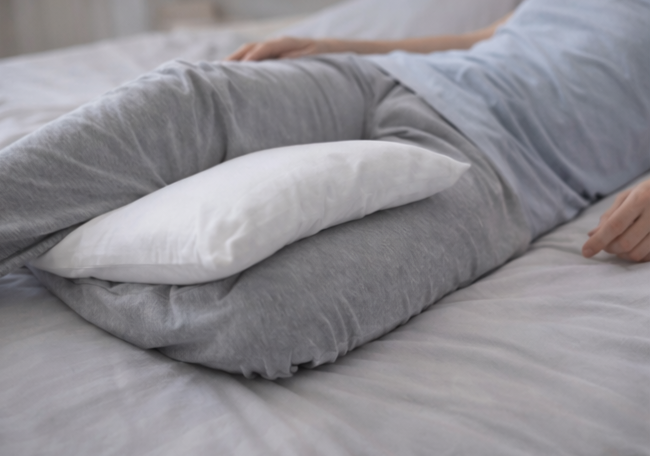
How you sleep can affect pressure on the spine, neck, and shoulders.
We cover:
- Side sleeping support
- Back sleeping comfort
- Pillow placement for pain relief
- Reducing night-time stiffness
Small adjustments to sleep position can make a noticeable difference.
👉 Sleep position guides coming soon
Pillows, Mattresses & Sleep Support
Sleep products can support comfort — but they don’t need to be complicated.
Helpful topics include:
- Choosing a supportive pillow
- Mattress firmness and comfort
- When sleep accessories may help
- Realistic expectations from sleep products
👉 Sleep support reviews coming soon
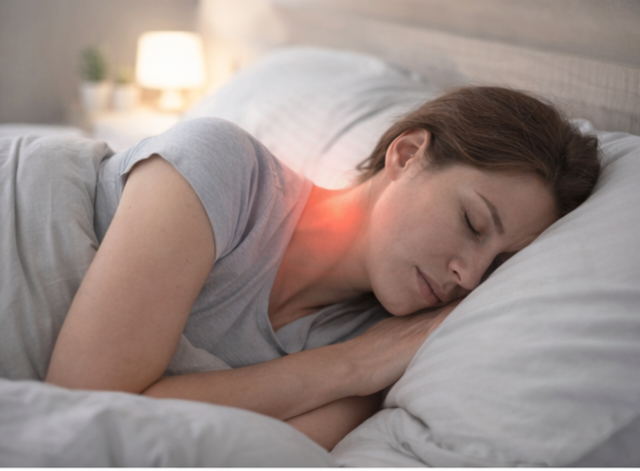
Relaxation & Wind-Down Routines
Recovery starts before you get into bed.
Helpful habits include:
- Reducing screen use before sleep
- Gentle stretching or mobility
- Relaxed breathing
- Creating a consistent bedtime routine
Calming the nervous system helps the body recover more effectively.
Recovery Beyond Sleep
Sleep is essential — but recovery also happens during the day.
We explore:
- Rest days and active recovery
- Heat and gentle massage
- Balancing movement and rest
- Avoiding overdoing recovery tools
Recovery should feel restorative, not exhausting.
Stress, Tension & Sleep
Stress often shows up physically in the body.
Common signs include:
- Neck and shoulder tension
- Jaw clenching
- Restlessness at night
- Difficulty relaxing
Addressing stress supports both sleep quality and pain management.
Common Sleep & Recovery Mistakes
Avoid:
- Expecting sleep to be perfect
- Overusing sleep aids
- Ignoring discomfort at night
- Using screens right before bed
- Relying on products alone
Consistent habits matter more than quick fixes.
When to Seek Medical Advice
The information in this hub is intended for everyday sleep and recovery challenges.
Seek medical advice if you experience:
- Persistent sleep problems
- Severe night-time pain
- Numbness, tingling, or weakness
- Symptoms that significantly worsen at night
Recommended Next Steps
If sleep affects your pain:
- Improve sleep position and comfort
- Create a consistent wind-down routine
- Reduce tension before bed
- Support recovery during the day
Small improvements in sleep can lead to meaningful changes in comfort.
Free Pain Relief Starter Guide
Looking for a simple place to begin?
Download our free Pain Relief Starter Guide — a short daily routine designed to help reduce back, neck, and shoulder tension while supporting recovery.
✔ Beginner-friendly
✔ No equipment required
✔ Suitable for busy schedules
Check out our Downloads section where you will find a range of free, easy to follow PDF files.
Explore More on BodyReliefHub
Final Note
Better sleep won’t solve every pain issue, but it plays a powerful role in how the body feels and recovers. BodyReliefHub is here to help you support sleep and recovery with realistic, evidence-based guidance you can trust.