
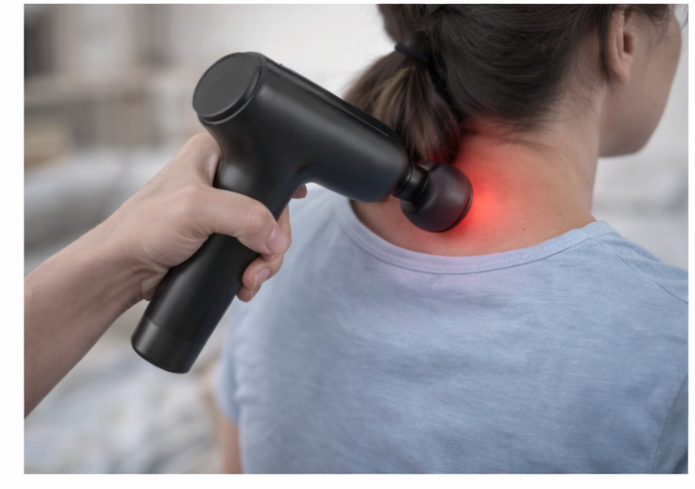
Recovery tools can support pain relief, relaxation, and comfort when used correctly. They’re not essential for everyone, but for some people they can be a helpful addition to movement, stretching, and good recovery habits.
This hub brings together honest, safety-focused reviews of recovery tools to help you decide what may be useful — and what isn’t — for your needs.
Start Here: Choosing Recovery Tools
If you’re new to recovery tools, start simple.
We recommend:
- Focusing on comfort, not intensity
- Choosing tools that are easy to use
- Avoiding products that promise instant results
Recovery tools should support your routine, not replace movement or professional care.
Our Review Approach
Every tool reviewed on BodyReliefHub is assessed based on:
- Practical usefulness
- Ease of use
- Safety considerations
- Who the tool is suitable for
- Who should avoid it
We aim to explain realistic benefits, limitations, and proper use — without hype.
Massage Tools
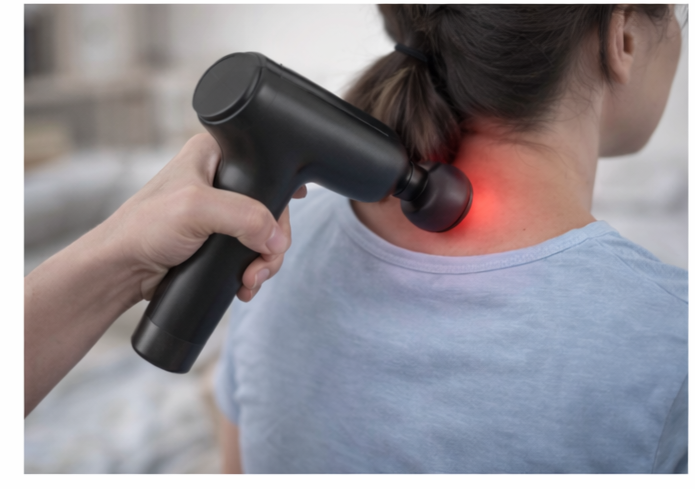
Massage tools are designed to help reduce muscle tension and improve circulation.
We review:
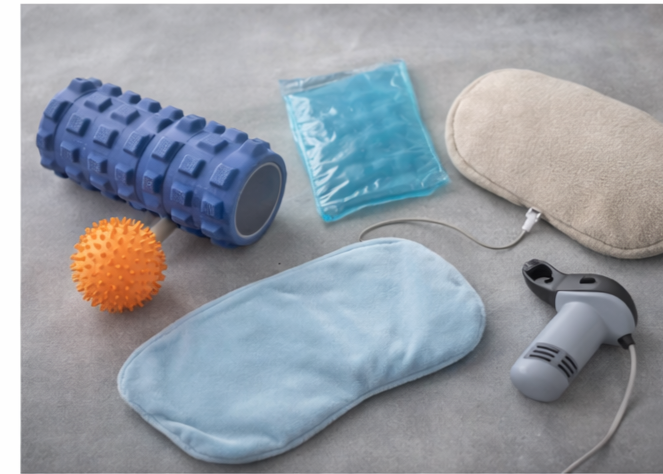
- Massage guns
- Foam rollers
- Massage balls
- Handheld massage tools
👉 Best Massage Tools for Lower Back Tension
👉 Massage gun reviews coming soon
Heat & Cold Therapy Tools
Temperature-based tools can help manage stiffness or flare-ups.
We cover:
- Heat packs
- Heated massage devices
- Cold packs and gel packs
👉 Heat vs Cold Therapy for Back Pain
👉 Best heat therapy products coming soon
Sleep & Comfort Tools
Sleep support tools may help improve comfort and recovery overnight.
We review:
- Pillows for neck and shoulder support
- Mattress toppers
- Sleep positioning aids
👉 Sleep support reviews coming soon
Desk & Posture Support Tools
Desk tools can help reduce strain during long periods of sitting.
We review:
- Lumbar supports
- Footrests
- Desk accessories that promote comfort
👉 Desk support reviews coming soon
Are Recovery Tools Right for You?
Recovery tools may help if you:
- Experience muscle tension
- Sit for long periods
- Struggle with stiffness
- Want to support relaxation at home
They may not be suitable if you:
- Have severe or worsening pain
- Have a recent injury
- Experience numbness or nerve symptoms
When in doubt, seek professional advice.
Common Mistakes With Recovery Tools
Avoid:
- Using too much pressure
- Applying tools directly to the spine
- Overusing tools instead of moving
- Ignoring discomfort during use
- Expecting instant relief
Gentle, consistent use works best.

How to Use Recovery Tools Safely
General safety tips:
- Start with the lowest intensity
- Limit sessions to short durations
- Avoid painful areas
- Stop if symptoms worsen
Recovery tools should feel comfortable and controlled.
Recommended Next Steps
If you’re exploring recovery tools:
- Start with movement and stretching
- Add one simple tool if needed
- Use tools alongside recovery habits
- Reassess regularly
You don’t need multiple tools to see benefits.
Free Pain Relief Starter Guide
Not sure where to begin?
Download our free Pain Relief Starter Guide — a short daily routine designed to support back, neck, and shoulder comfort while encouraging healthy recovery habits.
✔ Beginner-friendly
✔ No equipment required
✔ Suitable for busy schedules
Check out our Downloads page where you will find a range of free, easy to follow PDF files.
Explore More on BodyReliefHub
Final Note
Recovery tools can be helpful when chosen carefully and used correctly. BodyReliefHub aims to help you make informed, realistic decisions that support long-term comfort and wellbeing.